

Afrikaans–English translation involves more than simply replacing words from one language with those from another. It’s about conveying meaning, emotion, tone and cultural depth. However, translation between these two languages poses unique challenges due to Afrikaans’ distinctive features and the rich cultural context it carries.
Although translation is vital for fostering communication between Afrikaans and English speakers, common mistakes can hinder the accuracy and effectiveness of the translated content.
In this article, we will explore five common Afrikaans–English translation pitfalls and provide insights on how to avoid them.
Literal translation
Literal translation is undoubtedly the cardinal sin of translation. This is particularly true when translating between Afrikaans and English, where a literal translation will almost always result in an erroneous or weak translation. Even when two sentences in Afrikaans and English seem identical at first glance, an expert translator should look beyond the literal meaning to grasp the intended message. This can be achieved by carefully considering the context, idiomatic uses of language and metaphors.
Sentence Structure and Word Order
Both English and Afrikaans are West Germanic languages, but Afrikaans — a daughter language of Dutch — is grammatically simpler. It lacks verb conjugation and has only one definite article (‘die’). Afrikaans has a simpler grammatical structure than English. Verbs are generally placed at the end of a sentence in Afrikaans, and nouns do not have gender, unlike in English. However, Afrikaans uses two articles, ‘die’ and ‘‘n’, whereas English only uses ‘the’ and ‘a/an’. Afrikaans also employs double negatives to emphasise negative implications, whereas in English negatives are used singularly.
Afrikaans sentences tend to be shorter than English sentences and the word order differs within them. Therefore, translators must have a deep understanding of both languages and the context of a given passage to translate material effectively.
Machine Translation
Perhaps the most dangerous pitfall is using machine translation tools such as Google Translate for Afrikaans–English translations. Although these tools have improved dramatically in recent years, they are still completely unacceptable for official use. Machine translation tools struggle with Afrikaans due to its morphology, ambiguity, syntax, and cultural depth. The automated output often contains literal errors, mistranslations, and unnatural phrasing.
Most immigration authorities require a certified translation to be signed by a human translator to confirm its accuracy and completeness. An automated tool cannot provide this certification. Even disregarding the certification requirement, however, automated translations can contain errors that could seriously jeopardise your submission.
Research from immigration translation compliance guides indicates that up to 35% of legal documents contain errors in automated translations. These errors usually include: – translating proper nouns such as names and place names instead of preserving them; missing context-dependent meanings in official stamps and annotations; incorrectly translating legal and administrative terminology; producing awkward or unclear English that raises questions about the document’s authenticity.
Proofreading and Quality Control
Even the most skilled translators can make mistakes if they do not proofread their work. Proofreading is essential for identifying inconsistencies, typos, mistranslations, and stylistic errors.
Professional translators follow a multi-step process.
- Initial translation
- Revision for accuracy
- terminology consistency checks
- stylistic refinement
This ensures the final text is polished, accurate, and ready for professional use.
Quality control is particularly important for documents intended for courts, public bodies, businesses or publication.
Layout and Formatting
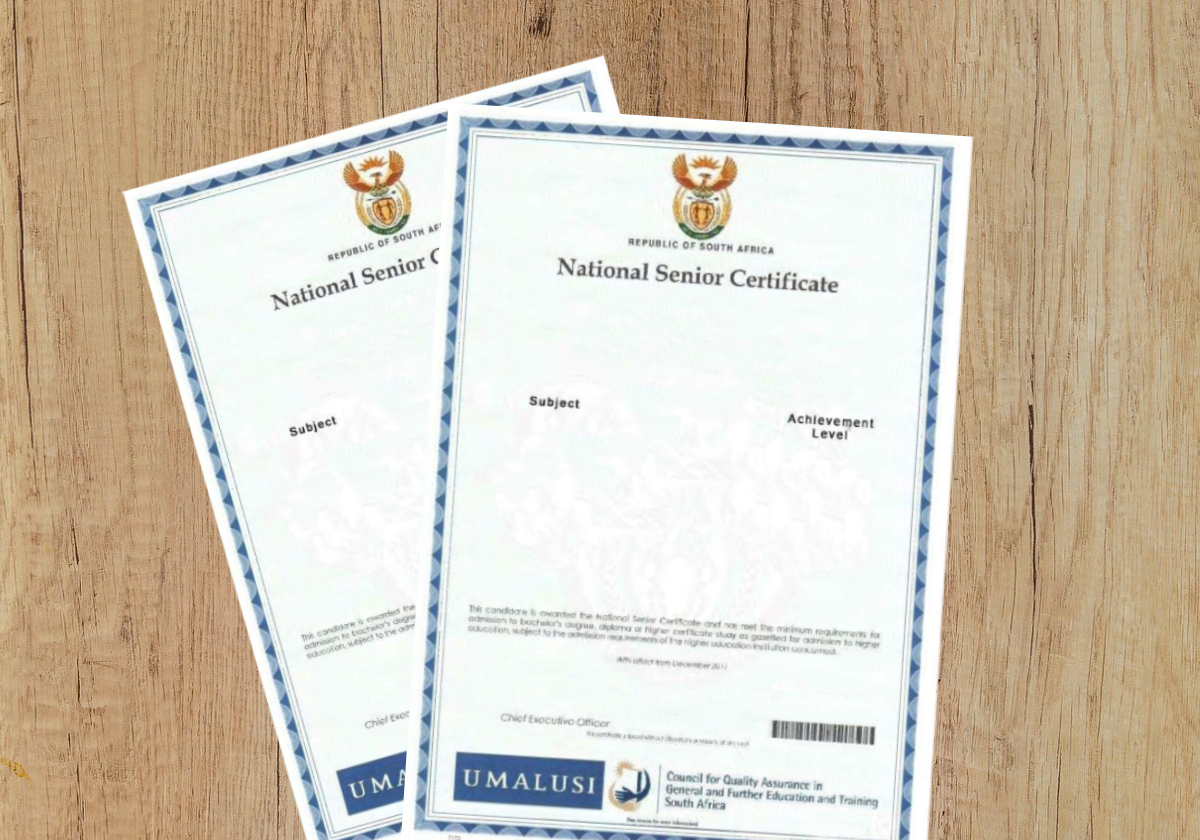
Immigration officials expect translations to mirror the layout and structure of the original document as closely as possible. If translations reorganise information, use different formatting or present content in a different order to the original passport page, this raises red flags for immigration officials.
Professional Afrikaans–English translations should maintain the same general layout and visual structure as the original.
- The same general layout and visual structure as the original
- Clear labelling showing which English text corresponds to which foreign-language section
- consistent placement of stamps, seals, and annotations
- Proper alignment of tabular information
- Clear indication of where information appears on the original document.
Summing Up
Overcoming the common pitfalls of translating from Afrikaans to English demands a comprehensive approach. AT provides accurate translation of all kinds of documents from Afrikaans to English. We have built an enviable reputation for prompt and accurate document translation. This has made us a fast-rising player in the South African translation industry. We provide certified translations that are word-for-word accurate, preserve the original layout and include a signed certificate of accuracy. Each translation costs R500.00 per page, is delivered within 24 hours and includes unlimited revisions.
Our contact details
Cell: 081 347 6060
Tel: 012 348 3134
E-mail: info@afrikaanstranslation.co.za




Leave A Comment