

In today’s administrative landscape in Cape Town, authenticity — and proving it — matters. Notarising documents is a widely accepted alternative to original documents in many personal, regulatory and legal situations. When it comes to relocating, investing, or simply sorting out your life abroad, there is one hard truth: if your paperwork isn’t notarised and legalised correctly, nothing else moves.
There are two ways in which a document can be authenticated in Cape Town. You can either go through a notary public for notarisation or apostille a document with a certificate from the High Court. We have written this article to explain how to notarise documents for overseas use in Cape Town and what documents are required.
Our trusted service offers quick and reliable notarisation of documents for overseas use, ensuring your documents are legally recognised and accepted.
What is a Notarisation of documents?
In Cape Town, notarisation is the official process of verifying and authenticating documents for international use. It is performed by a notary public to prevent fraud. This process involves witnessing signatures, certifying true copies and issuing a mandatory notarial certificate. The document is then authenticated by the High Court Apostille for use abroad.
Notarised documents are commonly used when the original documents cannot be submitted due to confidentiality concerns or for convenience, or when the originals must be retained for future reference.
Types of Notarised Documents
While almost any document can be notarised, here are some of the most common types:
Personal Documents
- Power of Attorney: Authorises someone to act on your behalf.
- Affidavits: A sworn statement of facts.
- Statutory Declarations: A formal written statement made under oath.
- Consent Forms: For medical treatments, child custody, etc.
- Birth, Marriage, or Death Certificates: Often required for legal processes.
Business Documents
- Contracts: Legal agreements between parties.
- Deeds: Legal documents transferring ownership of property.
- Commercial Invoices: For international trade.
- Certificates of Origin: For international trade.
- Company Resolutions: Official decisions made by a company’s board.
Other Documents
- Translations: To verify the accuracy of a translated document.
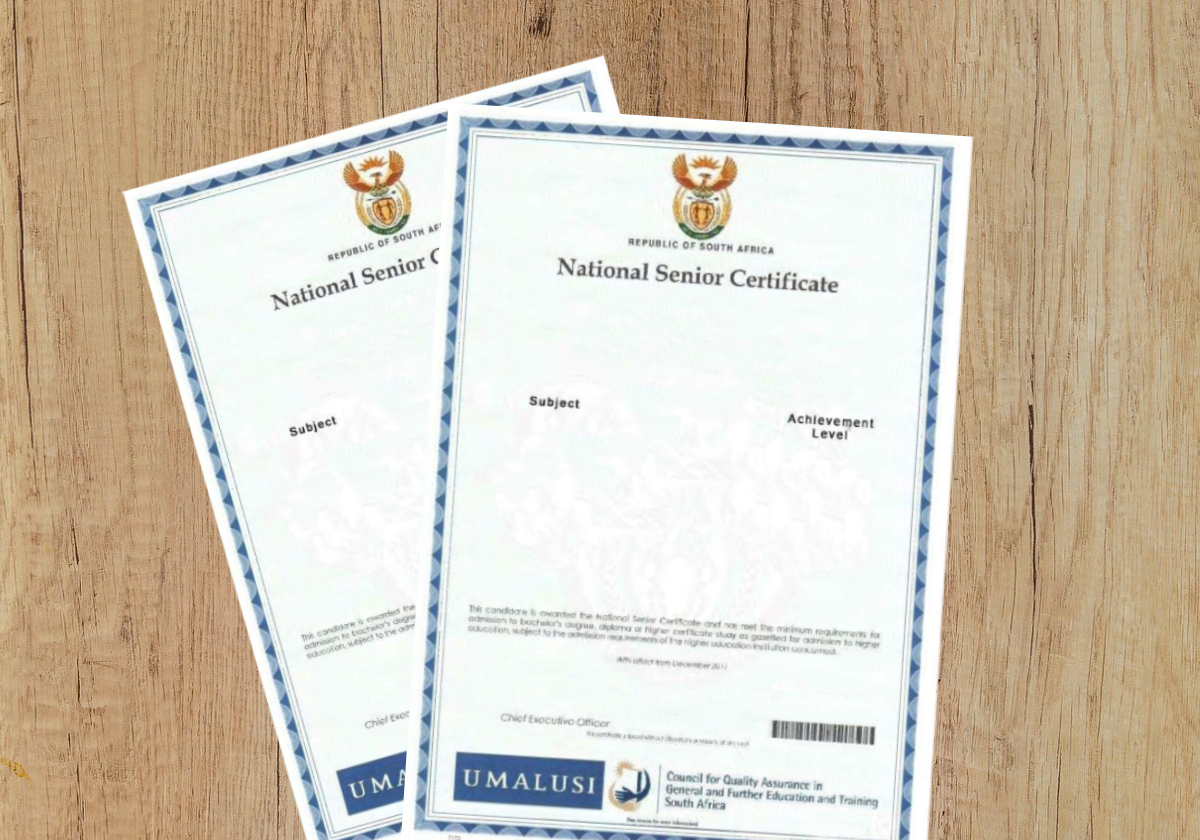
- Student Documents: For educational purposes, such as transcripts or diplomas.
- Immigration Documents: For visa applications or residency permits.
Why Notarisation Matters More Than You Think
Think of a notary as a trusted witness whose authority is recognised unquestioningly by the receiving country. When a foreign bank, immigration office or court sees a notary’s signature and seal, it is effectively being told that someone with state-delegated authority has verified the identity of the signatory and the authenticity of the document.
Without notarisation you risk:
- Rejected visa or residence permit applications.
- Frozen property purchases.
- Delays in opening international bank accounts.
- Extra tax liability—because benefits or exemptions often hinge on a notarised certificate of residence.
Certified Translation
If your document is in Afrikaans and you’re submitting it to, say, the Spanish land registry, it must be in Spanish. Often you’ll need a sworn translator whose signature is also notarised.
Notarisation of documents vs. Apostille
In addition to notarisation, some documents intended for use abroad may require an apostille. This separate process verifies the seal and signature of the notary on the document. The apostille process forms part of the Hague Convention, which aims to simplify the authentication of documents for use in member countries. Bear in mind that some receiving authorities also demand the notarisation of the translation, followed by an apostille for both the original and the translation.
Costs and Timelines: What to Expect
Average cost range (per document):
- Notary fee: R 650.00
- Sworn translation: R 500.00 per page
- Apostille: R 650.00
Timelines:
- Notarisation: Same day (walk-in) to 48 hours (scheduled).
- Translation: 1–3 business days, longer for technical documents.
- Apostille: Same day (walk-in),
Total: Two days to Three days, depending on route.
Ready to legalised your document?
Let AT streamline your document notarisation needs with our professional, efficient and internationally accepted services. Contact us today for more information. Call us on +27 (0) 12 348 3134 or email info@afrikaanstranslation.co.za to find out more.


Leave A Comment